
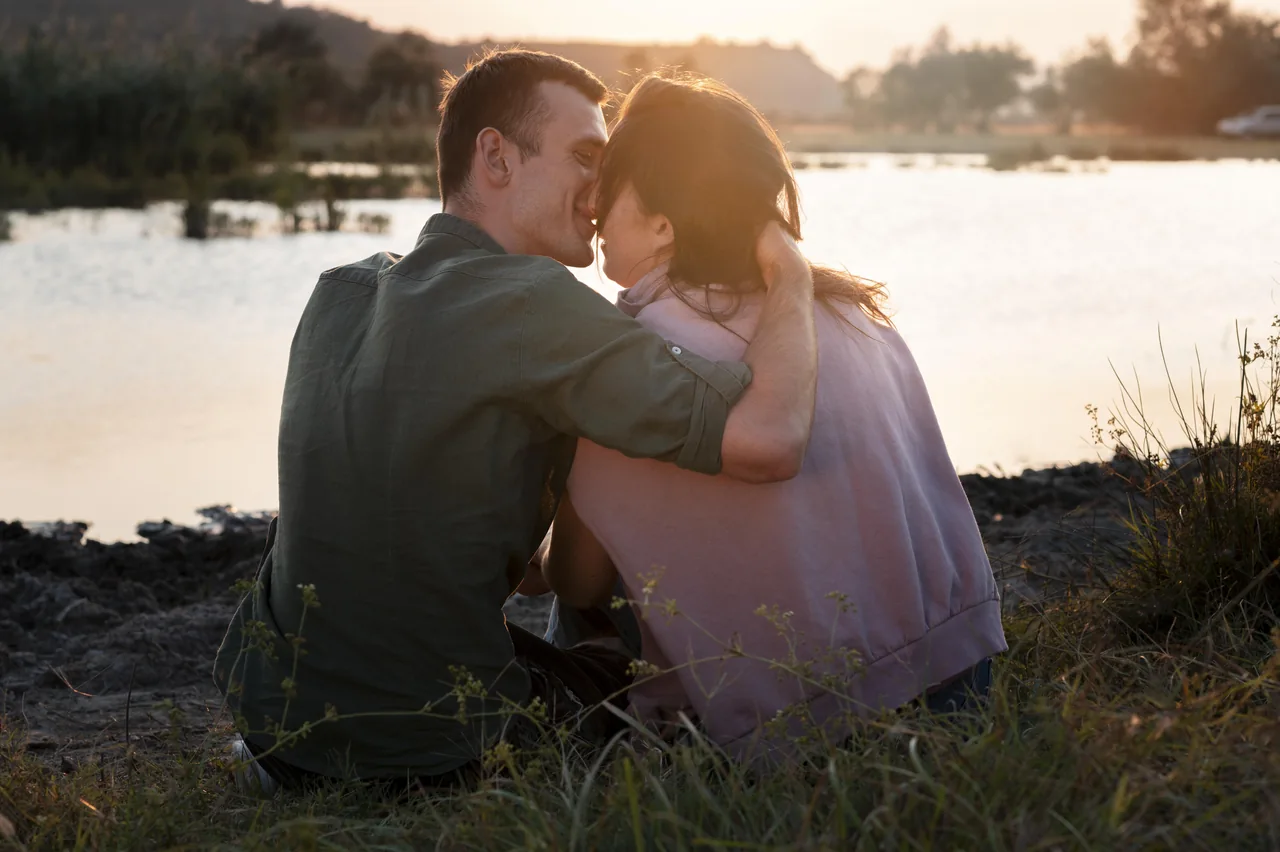
Rural Dating Begins with a Reachable Relationship
Rural herpes singles can widen their dating possibilities without assuming they must leave the place they love. A useful starting point is the distance you can repeat for an ordinary date, not the longest journey you would make for an exciting first meeting. Consider the roads, transport and responsibilities that shape your actual week.
Rural life is not one experience. You may live near a regional center, on an isolated property or within a network of villages. Some people travel regularly for work; others have duties that keep them close to home. Describe your situation without assuming another rural person shares it. A partner in a nearby town may fit your life more easily than someone with a rural address several hours away.
Having HSV can make a dedicated dating context appealing, but location still matters after the first conversation. Look for someone who is curious about your life rather than treating it as an inconvenience to be corrected. Choose between nearby, regional and more distant dating according to the time you want to spend together, rather than simply extending the map until more profiles appear. Expanding the search is useful when it creates a relationship you can live, not merely a longer list of people you are unlikely to meet.
Translate Miles into an Ordinary Journey
Judge a potential dating distance by the whole journey: the route, time, cost and how you will return. A small distance on a map may involve indirect roads or limited transport. A longer route to a familiar regional center may be easier because you already make that trip.
Draw three informal zones for yourself. The first includes places you could reach for a short date. The second includes places that need a planned half day. The third requires an overnight stay or a special trip. These zones are personal planning tools, not site search features or official boundaries. They help you avoid treating every attractive profile as equally practical.
For an illustrative comparison, one person can meet in a market town after a weekly errand. Another lives slightly closer but in the opposite direction from every normal journey. The first connection may have more room to grow even though the mileage is greater. Ask the other person to describe their equivalent effort. If the route works for only one of you, consider whether alternating travel is possible. Do not make repeated long drives the price of proving interest. A workable rural relationship needs a plan that respects both people's time and resources.
Protect Location Details in a Recognizable Community
Share a broad area before revealing a precise home location. In a sparsely populated place, a photograph, an employer and a road description may identify a household more quickly than you expect. You can be truthful about the region without publishing details that let a new acquaintance find your property.
Choose profile photos for what they reveal as well as how they look. A distinctive gate, business sign or vehicle plate may say more than the caption. This is practical privacy guidance rather than a promise that any platform can make you unrecognizable. People who already know you may recognize you regardless of the settings you choose.
Think separately about privacy and shame. Wanting to control your health information does not mean you need to apologize for dating with HSV. You can share with a potential partner thoughtfully while avoiding unnecessary exposure to a wider familiar circle. Talking about herpes with a date concerns that personal exchange; it does not require telling a whole community. If an acquaintance appears on a dating service, respect their privacy too. Do not screenshot their profile for local gossip or treat recognizing them as permission to discuss their health with others.
Choose a Meeting Place That Does Not Isolate Either Person
For an early rural date, prioritize a public place and independent transport over a picturesque isolated setting. A country walk or private property visit may be enjoyable later, but a first meeting should let both people leave comfortably without depending on the other for a ride.
A regional café, a busy public attraction or an ordinary town center may work better than the point exactly halfway between two homes. The geographic midpoint can be inconvenient, closed or isolated. Ask whether the venue is open, how each person will get there and whether the proposed end time fits the return journey.
Combine travel with an existing trip only when it still allows you to give the date attention. Meeting after a shopping run can be sensible; trying to squeeze a conversation between urgent duties may feel rushed. Do not present a long drive as a reason the other person should extend a date or invite you home. If you decide to stay overnight in the area, choose your own accommodation. The first-date page adds conversation ideas, while the rural setting makes the transport plan especially important. Comfort and autonomy help the meeting feel like a choice.
Talk About Staying Rural Before Imagining a Move
Explain how attached you are to rural life before a relationship depends on a move neither person wants. You may have work, family, land, animals or a personal preference that makes your location important. Another person may enjoy visiting while preferring to keep a town or city home.
Ask about ordinary living rather than an ideal weekend. Is the other person comfortable with the services, travel and social rhythm that come with your area? Are you open to living elsewhere, or are you offering a relationship rooted where you are? Neither answer makes one person more committed. It determines what kind of future is actually available.
An illustrative couple might keep separate homes and spend planned weekends together. Another could gradually choose a shared base. A third may decide that mutual attraction is real but their place preferences do not fit. Do not assume that a person with HSV will be more willing to relocate because you share that experience. Their friendships, job and independence remain important. If the issue is mainly familiar social networks in a compact town, small-town dating examines that setting separately from the geographic distances of rural life.
Let Your Profile Show Why Life Here Appeals to You
Present rural life as something a compatible person might enjoy, with enough practical detail to make your invitation credible. Mention the interests and routines that give your days character. You may enjoy a garden, local sport, quiet evenings or working outdoors, but use the things that are true for you rather than a stock countryside image.
Pair that positive picture with a realistic opening. For example, you are based outside a regional center, can meet there on a regular free afternoon and would like a relationship with someone who values both closeness and independent interests. This tells a reader how a connection could begin without disclosing your exact address.
Stay open to different backgrounds. Someone does not need to have grown up rurally to respect your life, and a shared postcode is not proof of compatible values. Look at how they respond to the practical effort, how they handle changes and whether they show interest in the person behind the setting. Rural HSV dating becomes more inviting when the map serves your relationship goals. Start with a reachable plan, protect the information you want private and offer someone a clear reason to look forward to spending time with you.
Ready to meet people who understand HSV? Bring your own interests and relationship goals to your next introduction.
Join to Meet HSV Singles Beyond Your Circle